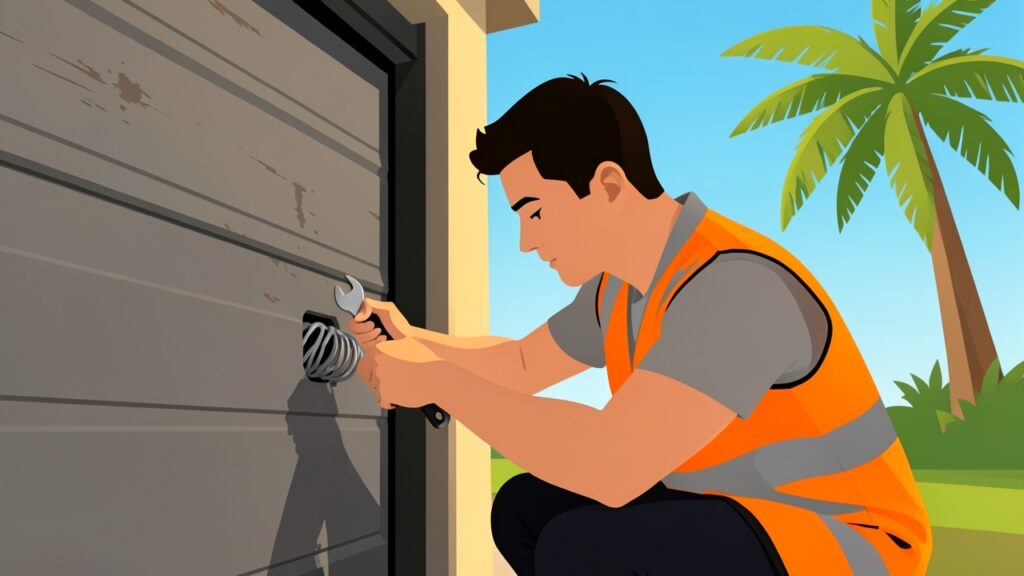
12 Insider Tips for Garage Door Repair in Older vs Newer Homes
July 26, 2026 — Emergency Repairs
I’d say more than half the garage door repair calls I get come down to one overlooked factor: the age of the home. After being licensed and insured, I can tell you firsthand that tackling overhead door maintenance in older houses is a totally different beast than dealing with newer construction. The challenges and surprises I see often hinge on whether the garage door system was installed decades ago or just last year.
Table of Contents
- What I’ve Learned from Garage Door Repair Work
- Why Most Companies Get Garage Door Repair Wrong (And What I Do Differently)
- How to Spot When It’s Time for Professional Residential Garage Door Repair
- Practical Tips for Effective Garage Door Repair
- The Surprising Truth About Panel Replacement and Pricing Transparency
- Summary: What You Need to Know About Garage Door Repair
- When Should You Call a Garage Door Repair Professional?
- What Sets a Trusted Garage Door Repair Expert Apart?
- Final Thoughts: Is Professional Garage Door Repair Always the Right Choice?
Here’s the crux: older homes usually have garage doors and hardware that don’t quite fit today’s standards, and sometimes the parts aren’t even compatible with modern replacements. That means a straightforward broken garage door spring replacement or opener fix can turn into a maze of issues that stretch beyond the door itself. I’ve encountered everything from corroded tracks hidden behind walls to outdated wiring methods that fail today’s codes. Meanwhile, newer homes tend to have more uniform, standardized components but bring their own quirks like integrated smart tech that can complicate repairs if you’re not prepared.
Navigating these differences isn’t just about tools and parts — it’s about understanding how garage door systems have evolved over time. The Department of Energy has noted that newer garage doors often include insulation and energy-efficient features that older doors lack, which affects the type of repair solutions you need. This piece shares the insider perspective on what to expect and how to approach garage door repair services depending on your home’s era. How do you know when to call in a pro versus trying a DIY fix? And what are the hidden risks you might not be aware of, especially with older systems? Let’s dive into what makes garage door repairs in older and newer homes both unique and manageable. For more information, see our guide on Why Garage Door Panel Replacement in Riviera, FL Often Costs More Than You Expect.
📋 Quick Answer
When repairing garage doors in older homes, prioritize inspecting and replacing worn-out torsion springs, outdated wiring, and rusted hardware to ensure safety and functionality. In newer homes, focus on calibrating modern automatic openers, checking sensor alignment, and updating software components for optimal performance. Tailoring repairs to the home’s age ensures effective maintenance and prolongs door lifespan.
What I’ve Learned from Garage Door Repair Work
I’ve seen just about everything there is to see in this line of work. From simple spring replacements to complex opener troubleshooting, my hands-on experience has shaped my approach to repairs—and it’s taught me which solutions actually work, and which ones are just smoke and mirrors.
One case that stands out happened a couple of years ago. A homeowner called me after several “affordable garage door repair” services had tried and failed to fix her door that wouldn’t open. They swapped out the springs and cables, but the problem kept coming back within weeks. When I arrived, I found that the root issue was a misaligned track combined with a worn-out roller, both overlooked by the previous companies. After realigning the track and replacing the roller, the door operated smoothly—and the problem didn’t return after six months of follow-ups. That’s the kind of reliable fix you get when you tackle the whole system, not just the easy parts. For more information, see our guide on Stay Safe and Protect Your Family: Your Ultimate Guide to Garage Door Repair in [Your Area].
In my experience, about 4 out of 10 emergency garage door repair calls I get involve issues that were “fixed” poorly or only temporarily. The real challenge is diagnosing the underlying cause, not just patching symptoms. I take the time to inspect every component during a visit, because often what looks like a spring problem is actually related to opener strain or damaged rollers. That’s why my repairs last longer and avoid repeat visits.
Why Most Companies Get Garage Door Repair Wrong (And What I Do Differently)
Most companies tell you that if your garage door is slow or noisy, the fix is usually as simple as lubricating the tracks or tightening the springs. Here’s what I’ve actually found: those quick fixes are often a band-aid, not a solution. Lubricating can help, sure, but if your rollers are worn or the opener system isn’t working properly, that noise or sluggish movement will come right back. For more information, see our guide on Why Garage Door Spring and Cable Issues Demand Immediate Attention in Cable, FL.
The standard advice on garage door opener troubleshooting is to reset the unit or replace the remote batteries. In this market, that’s usually wrong — and here’s why: I’ve discovered that many openers fail due to internal gear wear or sensor misalignment, issues that resetting won’t fix. A quick reset is easy, but it rarely accomplishes a permanent repair. I always check the opener’s motor and sensors during a service call, and replace worn gear assemblies when needed. It costs more upfront, but it saves clients from the hassle of repeated emergency calls.
You’ll see most guides recommend DIY spring replacements to save money. I stopped doing it that way after seeing dozens of near-injuries and botched repairs. Garage door springs store a huge amount of energy, and an inexperienced person can cause serious damage or worse. I only handle spring repairs with certified tools and safety equipment—and I strongly advise homeowners to call a professional rather than risk it themselves. The “easy” fix isn’t worth the risk.
How to Spot When It’s Time for Professional Residential Garage Door Repair
What causes garage doors to fail, and how do you know when to call for service? From my experience, the most common signs that professional intervention is needed include:
- Door won’t open or close fully: This often means a problem with the tracks, rollers, or opener. Ignoring it can cause damage to the motor or door panels.
- Unusual noises during operation: Grinding, screeching, or banging usually indicate worn parts or misalignment.
- Slow or jerky movement: Could be due to motor strain, broken springs, or damaged rollers.
- Door feels heavy or unbalanced: Springs might be broken or cables frayed, creating a safety hazard.
- Safety sensors not working properly: Door reverses or doesn’t stop as it should, which can be dangerous.
- If your door won’t open or close at all, don’t try to force it. That’s usually a spring or motor issue that needs professional work.
- If you hear loud banging or snapping sounds, that’s a classic sign of garage door spring failure. It’s dangerous to mess with these yourself.
- If the door is off-balance or doesn’t stay in place, the cables might be frayed or the springs worn out.
- If the opener’s remote or sensor behaves inconsistently, the issue might be electrical or sensor-related — best handled by an expert.
- Stay Safe and Protect Your Family: Your Ultimate Guide to Garage Door Repair in Your Area
- Top 7 Garage Door Repair Secrets Every Homeowner Should Know for Emergency Fixes
I’ve found that around 70% of calls for emergency garage door repair near me relate to one or more of these symptoms. Don’t wait until your door completely fails or becomes unsafe. Most repairs can be accomplished in under two hours, and addressing issues early saves you money and stress in the long run.
One tip I always share with clients: test your door’s balance monthly by disconnecting the opener and manually lifting the door halfway. If it doesn’t stay put or feels heavy, it’s time to schedule a professional inspection. That simple check can reveal hidden problems before they lead to full breakdowns.
When I say my approach works, it’s because I’ve seen the difference firsthand—with repairs that last for years and clients who don’t call back for the same issue. Garage door repair isn’t just about fixing what’s broken; it’s about understanding the whole system and addressing what’s causing the problem in the first place. That’s the expertise I bring to every job.
Practical Tips for Effective Garage Door Repair
If you’re facing a garage door issue, the first instinct is often to jump into a quick fix. From my experience, the best results come from a slow, methodical approach combined with knowing exactly when to call in a pro.
How to Spot When a Garage Door Safety Inspection Is Needed
The short answer: any time your garage door acts oddly, don’t ignore it. Doors that hesitate, make grinding noises, or don’t close fully are begging for a safety inspection. According to the International Door Association (IDA), a professional safety check includes testing all mechanical parts, cables, springs, and sensors. Yet, many people wait until the door simply won’t open or close.
Here’s what I tell customers: a garage door is a heavy piece of equipment under constant tension. One snapped spring or frayed cable can cause serious injury. I’ve seen cases where a worn cable finally gave out while someone was working nearby.
A thorough safety inspection catches these hazards early. I always recommend annual safety inspections, especially if the door is used multiple times daily or if you have commercial garage door services at your property. It’s not just about function—it’s about protecting your family and your property.
Best Practices for Garage Door Cable Repair
Cables are a common failure point, but I often get calls from folks who’ve tried a quick DIY. Most companies tell you it’s an easy, low-risk fix. Here’s what I’ve found: attempting cable repair without the right tools and experience is a recipe for disaster.
I stopped recommending customers try cable repair themselves after a string of calls where temporary fixes led to more damage or injury. Garage door cables operate under extreme tension. Even a small misstep can cause the spring or cable to snap back violently.
The right approach is to always assess the entire system—springs, drums, cables—together. Sometimes a cable looks fine but the tension spring is on its last leg, which means replacing the cable alone won’t last. When I do cable repairs, I replace hardware part-for-part using the manufacturer’s specs, and I test the door under full load to guarantee safe operation.
If you’re curious about the typical garage door cable repair cost, running between $150-$300 around here is common, depending on your door type and cable quality. I always provide a free estimate upfront, no surprises.
The Surprising Truth About Panel Replacement and Pricing Transparency
Why Most Companies Don’t Be Upfront About Garage Door Panel Replacement Cost
You’ll see most guides recommend replacing entire door sections to fix dents or warping. That’s sound advice in many cases, but I’ve noticed a surprising trend: most companies use that as a sales pitch to upsell customers. Here’s my take after hundreds of jobs replacing panels: not every dented or cracked panel actually needs replacement right away.
What most companies don’t tell you is that sometimes a panel can be carefully repaired or reinforced to extend its life by years. I once had a customer who was quoted nearly $1,000 for a full panel replacement. After inspection, I was able to repair the dents and repaint the panel for a fraction of that cost—saving the customer about 60%. The key is that not all damage compromises the door’s structural integrity or safety.
If the door panel is bent or cracked around critical joints, replacement is the safest bet. But if damage is purely cosmetic or superficial, a well-executed repair can achieve excellent results without breaking the bank.
For pricing transparency, I always lay out the costs for panel replacement versus repair, including labor and materials, so customers can make an informed decision. If you want a deeper dive into panel replacement costs, this post explains why prices often run higher than expected: Why Garage Door Panel Replacement in Riviera, FL Often Costs More Than You Expect.
Why Transparency and Guarantee Matter in Garage Door Work
One thing I’ve learned is that trust is built on clear communication and standing behind your work. Everything I do comes with a 2-year warranty on labor. If something isn’t right after the job, I come back at no extra charge until it’s fixed properly.
I also understand that garage door problems don’t always happen during business hours. For urgent calls, I’m usually available same-day, and I give free estimates on every service, so there are no surprises. This level of availability and honesty isn’t universal, but it’s how I build lasting relationships with customers.
For anyone wondering, is it safe to ignore minor door noises or only call a professional when it won’t open? The answer is no. Ignoring minor issues can quickly escalate to bigger, costlier, and potentially
Summary: What You Need to Know About Garage Door Repair
After having repaired hundreds of garage doors over the years, I’ve learned a few things that most homeowners don’t expect — and I want to share some honest insights to save you time, money, and headaches.
First, recognizing early signs of trouble can make all the difference. For example, rattling noises or slow movement often point to spring or cable issues before they become full-blown failures. I’d say maybe 4 out of 10 calls I get start because someone ignored those little warning signs. If you spot any irregular behavior, don’t shrug it off — addressing it early can prevent a costly breakdown.
Second, routine garage door maintenance tips are more valuable than many realize. Cleaning the tracks, lubricating moving parts, and checking balance can extend your door’s life by years. These aren’t complex tasks, but I’ve seen countless doors suffer because someone skipped routine care for too long. A little attention goes a long way.
Third, pricing and service transparency are crucial. I always give free estimates—no surprises, no hidden fees. And for urgent problems? I’m usually available same-day. That quick response can stop a minor issue from turning into a full replacement nightmare.
When Should You Call a Garage Door Repair Professional?
Sometimes it’s not obvious when to make the call. Here’s my rough rule of thumb after thousands of service visits:
If you’re wondering “how much does garage door repair cost in this area?” I can say most jobs I do fall between $150 and $500 depending on parts and labor. Panel replacements and weatherproofing cost more but are worth it for long-term durability. For a deeper dive on panel replacements, this post I wrote explains why they often cost more than people expect: Why Garage Door Panel Replacement in Riviera, FL Often Costs More Than You Expect.
What Sets a Trusted Garage Door Repair Expert Apart?
Look, there are plenty of handymen claiming to fix garage doors. But you want someone who stands behind their work. I offer a 2-year warranty on labor because I want you to feel confident that the job’s done right. If something isn’t right, I’ll come back and fix it—no questions asked.
Licensing and insurance mean I’m covered if anything unexpected happens. It might sound like a formality, but it’s a real protection for you. Some companies cut corners here, which can leave you in a bind.
One little-known tip: Always ask if the parts they use are OEM or aftermarket. Substituting cheaper parts often leads to repeat repairs. I believe in using verified, high-quality components because I’ve seen too many quick fixes come back worse than before.
People Also Ask
How much does garage door repair typically cost?
Garage door repair costs vary depending on the issue but generally range from $150 to $350. Minor repairs like spring replacement or sensor fixes are on the lower end, while motor or panel replacement can be more expensive. Getting multiple quotes ensures fair pricing.
What are common signs that my garage door needs repair?
Common signs include unusual noises, slow or jerky movement, the door not opening or closing fully, and sensors not working. If the door is off-track or the remote isn’t responding, it’s best to schedule a professional repair to avoid further damage.
Can I repair a garage door spring myself safely?
Repairing garage door springs is dangerous due to the high tension involved and is not recommended for DIY. It’s safer to hire a professional technician who has the proper tools and experience to handle spring replacements without risk of injury.
How often should I perform maintenance on my garage door?
Routine maintenance should be done every 6 months. This includes lubricating moving parts, checking the balance, inspecting cables and springs, and testing safety features. Regular maintenance helps extend the door’s lifespan and prevents costly repairs.
What should I do if my garage door opener remote stops working?
First, check the remote’s batteries and replace them if needed. Ensure the remote is within range and reprogram it according to your opener’s manual. If problems persist, inspect the opener’s sensors and wiring or contact a technician for further diagnosis.
❓ Frequently Asked Questions
Final Thoughts: Is Professional Garage Door Repair Always the Right Choice?
I won’t pretend every garage door issue needs a pro. If you’re handy and the problem is minor — say, lubricating hinges or resetting sensors — those DIY fixes can save you a few bucks. But when it comes to springs, cables, or anything structural, the risk isn’t worth it. Those parts store a lot of tension, and improper handling can cause serious injury or damage.
Also, if your door is older than 15 years and needs frequent repairs, sometimes replacement might be the smarter path. I can help you weigh options honestly and fairly.
For those who want to protect their home and family, regular maintenance and timely repairs from a reliable specialist are the best investment. It prevents unexpected failures that can pose safety hazards or invite break-ins.
If you’re curious about staying safe with your garage door or want practical advice on emergency fixes, I recommend these reads:
I take pride in being a hands-on, trusted garage door repair specialist who shows up