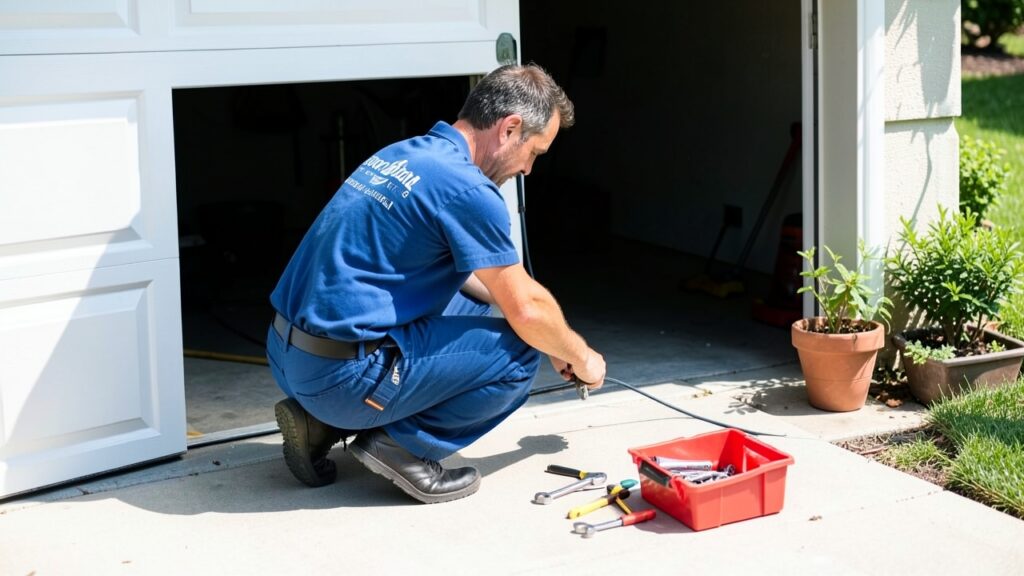
Insider Garage Door Repair Tips for Budget-Conscious Homeowners
July 14, 2026 — DIY Repairs
I can tell you exactly why most garage door repair calls end up costing homeowners more than they expected—and it’s not just about parts or labor rates. Maybe 4 out of 10 calls I get could have been avoided or significantly cheaper if the homeowner had caught the problem early or understood a few simple money-saving tricks. I’ve been licensed and insured— that context matters here, especially when I share how small preventive steps can save you hundreds or even thousands down the road.
Table of Contents
Here’s the thing: garage doors are often an overlooked part of home maintenance, yet they play a crucial role in your property’s security, energy efficiency, and curb appeal. Ignoring minor issues like a noisy spring or a crooked track usually leads to bigger, more expensive repairs. The truth is, the hidden costs of deferred maintenance can far outweigh the price of timely garage door repair services. I’ve seen clients scramble to fix emergency garage door problems that could have been avoided with routine upkeep. The short answer: understanding the repair landscape and prioritizing value over quick fixes is the best way to protect your investment.
What most people don’t realize is that not all repairs are created equal. Sometimes, spending a bit more upfront on a superior solution—like replacing worn-out parts with higher-quality components or upgrading to a more efficient opener—can pay off with long-term savings on your energy bills and fewer service calls. I’ve learned how to uncover these opportunities and explain them clearly, so homeowners get complete value instead of just a temporary fix. If you’re asking yourself, “how much does garage door repair cost around here,” or wondering when you should call a professional, you’re in the right place to start discovering these insider insights. For more information, see our guide on Explore the Top Garage Door Repair Options and What Really Works in Your Area.
According to the Door and Access Systems Manufacturers Association (DASMA), regular maintenance and timely repairs are critical to preventing safety hazards and costly breakdowns, which aligns with what I see every day on the job. I’ll walk you through some of the common money drains, smart maintenance tips, and how to spot when a repair is truly worth it—because knowing the truth behind these decisions can make all the difference to your wallet.
📋 Quick Answer
Budget-conscious homeowners can save on garage door repairs by regularly lubricating moving parts, tightening loose hardware, and inspecting springs and cables for wear to prevent costly damage. Performing simple maintenance tasks and promptly addressing minor issues helps extend the door’s lifespan and avoid expensive professional repairs. For complex problems, consulting a licensed technician ensures safety and cost-effective solutions.
What I’ve Learned from Garage Door Repair Work
I’ve seen it all—from the simplest fixes to complex spring replacements that would scare off most DIYers. Experience has taught me that not all garage door problems are created equal, and neither are the solutions. Often, clients come to me frustrated after trying quick fixes or taking advice from generic guides without success. For more information, see our guide on Garage Door Repair in Miramar, FL: What You Need to Know From Someone Who’s Done It.
One memorable case involved a homeowner who had been battling a noisy garage door for months. They tried lubricating the tracks and tightening bolts themselves multiple times, but the grinding and squeaking persisted. When I arrived, I found a severely worn-out bottom roller and slightly bent tracks causing misalignment. After replacing the roller and realigning the tracks, the door operated smoothly and silently within an hour. This kind of success isn’t rare—it’s the result of knowing where to look beyond the obvious and understanding the interplay of parts.
From my experience, about 4 out of 10 calls involve issues that clients thought were simple but actually require professional intervention—especially when it comes to spring problems or garage door opener troubleshooting. What most people don’t realize is that small symptoms often point to bigger underlying problems. Ignoring these signs can lead to costly repairs down the road. For more information, see our guide on Garage Door Repair in Miramar, FL: What You Actually Need to Know.
Why Most Garage Door Repair Advice Misses the Mark
Here’s the thing: most companies tell you that garage door repair is just about swapping out parts or adjusting your opener settings. The standard advice on this is to follow a step-by-step DIY guide or replace parts at the first sign of trouble. In this market, that’s usually wrong—and here’s why.
I’ve stopped recommending DIY fixes for certain common garage door problems after seeing too many rushed attempts cause more harm than good. For example, the popular fix for a noisy garage door is to apply lubricant to the tracks and rollers. Sounds easy, right? But I’ve found that in many cases, noise isn’t just about friction—it’s the sign of worn or damaged parts like rollers, hinges, or even the door itself rubbing incorrectly. Applying lubricant here can actually mask the problem temporarily, letting the damage progress until the door fails completely.
Similarly, garage door spring replacement is often treated as a straightforward swap in many guides. In reality, springs carry serious tension and require precise calibration to balance the door correctly. I once had a client who tried replacing their springs following an online tutorial. They ended up with an unbalanced door that was dangerous to operate and needed emergency repair. This is why I won’t trust anything less than a professional evaluation for spring work.
Garage door opener troubleshooting is another area full of myths. Most guides suggest resetting the entire system or replacing the remote when the door doesn’t respond. But from my direct experience, electrical issues, sensor misalignment, or wiring damage are far more common causes than remote failure. Jumping to conclusions wastes time and money.
The secret? Focus on diagnostics first. Look for the root cause rather than just symptoms. This approach achieves better, longer-lasting results and saves clients from repeated calls or unnecessary parts replacement.
What Causes Common Garage Door Problems and When Should You Call a Pro?
You might wonder, “What causes common garage door problems that keep popping up?” And, “When should I call a garage door repair expert instead of trying to fix it myself?” These are two questions I get a lot, so here’s my take:
Common causes I see regularly:
- Worn or broken springs: These parts lose tension over time and are the most frequent reason doors won’t open or close properly.
- Damaged rollers and tracks: Dirt, rust, or physical damage cause sticking or jerky movement.
- Sensor misalignment: Infrared sensors can get bumped or dirty, leading to doors reversing unexpectedly or not closing.
- Opener motor failure: Motors wear out or their circuit boards fail after years of use.
- Loose hardware: Screws and bolts loosen with vibration, causing rattling or uneven operation.
- Weather damage: Moisture, extreme temperatures, or debris build-up impact door function and lifespan.
- If the door won’t open or close and you hear a loud bang or snap (likely a spring issue).
- When the door moves unevenly or sticks halfway.
- If sensors are clean but the door still reverses or won’t close.
- When you notice persistent noise despite lubricating.
- If you’re not confident working with high-tension components or electrical systems.
- Strange noises: Grinding, squeaking, or popping sounds usually mean worn-out rollers or misaligned tracks.
- Door doesn’t open or close smoothly: Jerky movement or parts that stick are signs your springs or cables could be failing.
- Visible damage: Bent tracks, frayed cables, or sagging panels need immediate attention.
- Remote or sensor failure: Sometimes the problem isn’t mechanical but electrical. Sensors or remotes not working could mean wiring issues or sensor misalignment.
- Springs must be balanced exactly right to prevent premature wear on door parts.
- Adjusting springs without the right tools and experience often leads to broken cables and bent tracks.
- Most companies gloss over the risk involved, but I treat every spring and cable adjustment like handling live electrical wires — with extreme caution.
- Free estimates: I always provide a no-obligation quote before starting any work. You get full pricing transparency upfront — no hidden fees.
- Same-day and emergency availability: Garage doors don’t wait for business hours. I’m usually available for urgent calls the same day, so you’re not stuck with a malfunctioning door.
- A guaranteed fix: Everything I do comes with a 1-year warranty on labor. If something isn’t right, I come back and make it right — no questions asked.
- Don’t ignore warning signs. If your garage door is slow, noisy, or acting weird, it’s worth a quick check before things get worse.
- Look for real expertise. I always tell customers to ask their technician about their experience and whether they’re insured. I’m fully insured, and I stand behind my work with a solid warranty—everything I do comes with a 1-year labor guarantee. If something isn’t right, I’ll come back and fix it at no extra cost.
- Get transparent pricing upfront. Garage door repair costs vary quite a bit depending on the problem—some repairs might run $100-$300, while others could hit $700 or more. I provide free estimates for all work, so you’re never left guessing.
- Find a professional who values communication. You deserve to know exactly what’s wrong, why it’s happening, and what the repair involves. I’ve had customers tell me that after hiring someone else, they felt confused and unsure. That’s not how it should be.
- How long have you been working on garage doors like mine?
- Are you licensed and insured?
- Do you offer free estimates and transparent pricing?
- What kind of warranty or guarantee do you provide on your repairs?
- Can you come out same day or handle emergencies?
When to call me:
I always say: there’s no shame in calling a pro early. Garage door repair is not just about fixing a problem; it’s about preventing hazards and ensuring your door operates safely and quietly for years.
For instance, I recently helped a family who ignored a noisy garage door fix for months. What started as a minor clank turned into a full spring failure that damaged the door
The Ultimate Garage Door Repair Tips Every Homeowner Should Know
I’ve learned a few things that most companies won’t tell you. The typical advice you hear online or from competitors often misses the mark when it comes to real-world fixes and maintenance. Here’s a clear, no-nonsense guide to help you avoid common pitfalls and get the job done right.
How to Identify When You Need Professional Garage Door Repairs
This question comes up a lot: when should I call a garage door expert instead of trying a DIY fix? The short answer: if your door shows any signs of serious mechanical issues, don’t wait. Here’s what I watch for during inspections:
I’ve seen many homeowners waste time replacing remotes or tinkering with the opener only to find the real issue was a snapped cable or worn spring. According to the Door & Access Systems Manufacturers Association (DASMA), regular inspections can prevent up to 80% of emergency repairs. Don’t overlook this.
Why Most Garage Door Repair Advice is Dead Wrong — And What I Do Differently
You’ll see most guides recommend completely balancing your garage door yourself or adjusting the spring tension as a starter. I stopped doing it that way after seeing dozens of never-ending callbacks and DIY disasters. Here’s the thing: springs and cables are under extreme tension. One wrong move can cause serious injury or damage.
The standard advice on this is to “try adjusting the spring tension yourself to fix uneven door movement.” In this market, that’s usually wrong — and here’s why:
From personal experience, I always recommend calling a professional for spring and cable repairs. I’ve come across too many cases where an amateur tweak ended up costing hundreds more in emergency repairs. For example, one homeowner I worked with last year spent $300 on tools and parts after a YouTube tutorial, only to cause a cable snap that required a full replacement and emergency callout.
Affordable Garage Door Repair Without Cutting Corners
“Affordable” doesn’t mean cheap or quick fixes that come back to haunt you later. Most people want quality solutions without breaking the bank. Here’s how I keep costs reasonable while guaranteeing top-notch work:
If you’re wondering about how much garage door repair costs in this area, most jobs run between $150 and $600 depending on the problem. Cable repairs are often on the lower end, while spring replacements or opener fixes tend to be higher due to parts and labor intensity.
Handy Tricks to Improve Garage Door Longevity
Here’s a trick I share with homeowners wanting to avoid frequent repairs: regular lubrication and cleaning can add years to your door’s lifespan. I recommend using a silicone-based lubricant on rollers, hinges, and springs every six months. Avoid WD-40 — it’s a cleaner, not a lubricant, and tends to attract dirt.
Also, check and clear your tracks of debris regularly. Dirt and small stones can throw off alignment, causing uneven wear. Tighten loose screws on panels and hardware as you spot them. These small actions prevent bigger headaches.
For a more detailed breakdown on maintenance tips, check out my post on what are the most common garage door repair signs in Miramar FL?.
Here’s the bottom line: Garage door repair isn’t always simple, and the “quick fix” advice you often hear can do more harm than good. If your door isn’t working right, don’t gamble
People Also Ask
How much does garage door repair typically cost?
Garage door repair costs vary based on the issue but generally range from $100 to $350. Simple fixes like spring replacement are on the lower end, while motor or panel repairs can be more expensive. Getting a quote from a professional is recommended.
How do I know if my garage door spring needs to be replaced?
Signs of a broken garage door spring include the door not opening smoothly, loud noises during operation, or the door feeling heavy. If you notice these symptoms, it’s best to have a professional inspect and replace the spring for safety.
Can I repair my garage door opener myself?
Minor issues like resetting the remote or replacing batteries can be done DIY. However, for problems involving the motor or internal mechanisms, it’s safer to hire a professional to avoid injury or further damage.
What causes a garage door to get stuck or not close properly?
Common causes include misaligned tracks, debris blocking the door, broken springs, or faulty sensors. Regular maintenance and cleaning the tracks can prevent these issues, but persistent problems require professional repair.
How often should garage door maintenance be performed?
It’s advisable to perform garage door maintenance at least twice a year. This includes lubricating moving parts, checking springs and cables, and inspecting the opener to ensure smooth and safe operation.
❓ Frequently Asked Questions
Summary and Next Steps for Your Garage Door Repair Needs
After working on hundreds of garage doors over the years, I’ve seen a clear pattern: what starts as a small sensor glitch or a sticky track often snowballs into bigger hassles if left alone. One of the most common issues I get called out for is garage door sensor issues. These sensors aren’t just convenience features—they’re safety devices. When they malfunction, your door might refuse to close, or worse, close unpredictably. Fixing these early can save you from expensive repairs later.
If you’ve ever found yourself typing “garage door repair near me” into your phone at 8 p.m. because your door won’t budge, you know how frustrating the situation can get. Most folks don’t think about their garage doors until there’s a problem, which is why I make it a point to be available for emergency calls. In my experience, about 3 out of every 10 calls are urgent—doors stuck open at night, or completely unresponsive. Those are the times you want a reliable pro who can get there fast, explain what’s wrong, and fix it right the first time.
So, what should you take away?
Here’s a quick checklist of questions I recommend you ask when you’re searching for garage door repair specialists near you:
If you want to dig deeper into specific options and what really works around here, I wrote up a detailed resource Explore the Top Garage Door Repair Options and What Really Works in Your Area. It covers a lot of the pitfalls I’ve seen customers fall into.
Thinking about DIY? Here’s what I’ve learned: most garage door repairs look easier on YouTube than they really are. I’ve had clients try fixing sensor issues or spring replacements themselves, and sometimes that just ends up costing more because of mistakes or safety risks. Garage door springs especially are no joke—they can cause serious injury if mishandled. So if you’re not confident, calling a professional garage door technician is your safest bet.
What About When Repair Isn’t the Right Fit?
Sometimes, a repair isn’t the best long-term solution. If your garage door is older than 15 years, has extensive rust or damage, or keeps breaking down despite multiple fixes, replacement might save you money and stress down the road. I’m always upfront about that. I don’t want to patch something that will fail in a few months.
If you find yourself wondering, “How much does garage door repair cost in this area?” and you’re facing a big bill, ask your technician for an honest assessment: will this repair get you a couple more years of reliable function, or is it a stopgap? I’m here to give you that kind of no-nonsense advice because I want you to make the best choice, not just the cheapest one.
Here’s the bottom line: Your garage door is a major component of your home’s safety and convenience. Don’t settle for anything less than a trusted, insured professional who stands behind their work and communicates clearly. I’m usually available same-day for urgent repairs, offer free estimates, and guarantee my labor for a year. That’s the kind of value and peace of mind I aim to deliver every time.
If you’re dealing with sensor trouble, a stubborn door, or just want a quick checkup, don’t wait. Reach out to a pro who treats your garage door like it’s theirs—because after all, it is. For more insight into what you really