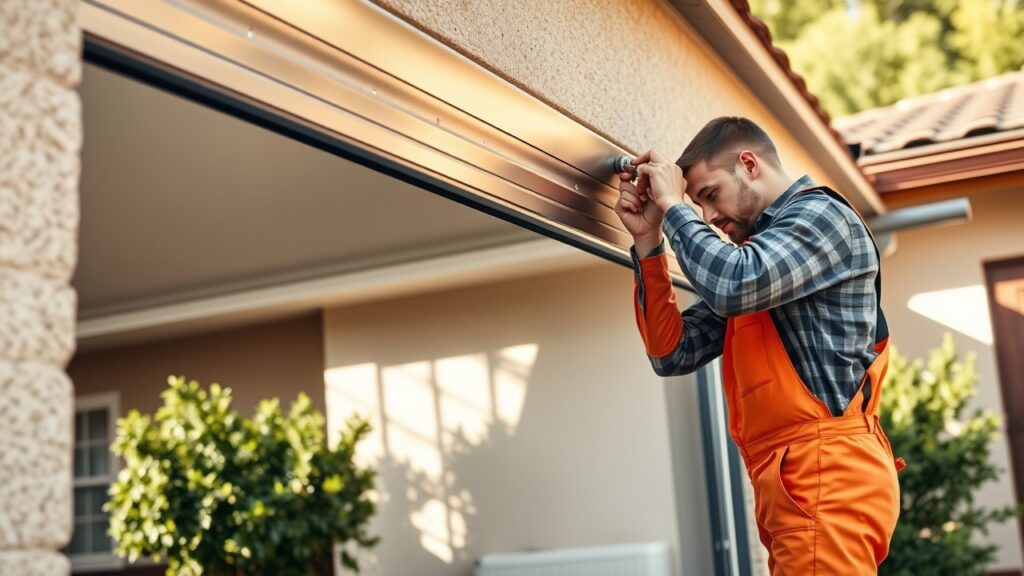
Unlocking the Secrets to Top-Tier Garage Door Repair in Your Neighborhood
July 16, 2026 — DIY Garage Door Tips
After more than 1500 garage door repair jobs, I can tell you exactly why some neighborhoods seem to get the best service and lasting fixes — and others don’t. It all boils down to understanding the unique challenges and needs that come with the local environment, home styles, and community demands. If you’ve ever wondered why your garage door keeps acting up despite multiple repairs, or why some solutions work better here than elsewhere, I’m about to share some insights you won’t find in a brochure.
Table of Contents
- What I’ve Learned After 25+ Years in Garage Door Repair
- The Standard Advice on Garage Door Repairs Is Usually Wrong — Here’s Why
- How to Spot When You Really Need Emergency Garage Door Repair
- What Causes a Garage Door to Stop Working? Common Questions Answered
- Why Most Guides Get Garage Door Maintenance Tips Wrong
- How to Handle Emergency Garage Door Repairs and Pricing Transparency
- Summary and Clear Next Steps for Your Garage Door Repair Needs
Having been licensed and insured for 25 years, I’ve seen firsthand how a neighborhood’s climate, security concerns, and even local building codes shape the kind of garage door repair services that truly work. For example, in areas with heavy humidity or coastal salt air, spring corrosion and opener malfunctions happen faster than in drier inland spots. On the flip side, some older neighborhoods have unique door styles or outdated wiring that require specialized troubleshooting or replacement parts you can’t just grab off the shelf. Knowing these local quirks is key to avoiding repeated headaches and wasted expenses.
Here’s the thing most repair companies don’t tell you: not all “garage door specialists” are prepared to handle the neighborhood-specific issues you face. I’ve spent years refining my approach to these challenges, following official standards like UL 325 for garage door safety and the DASMA guidelines for door performance. This experience has taught me how to deliver streamlined, trusted repairs that last — and how to spot when a quick fix is really just a ticking time bomb. What causes repeated failures in your area? How much does garage door repair cost locally, and what shortcuts might actually cost you more down the road? I’ll help you navigate these questions with clear, no-nonsense answers. For more information, see our guide on Looking for Garage Door Repair in Your Area? Here’s When to DIY and When to Call a Pro.
📋 Quick Answer
Unlocking top-tier garage door repair in your neighborhood involves choosing licensed, experienced technicians who provide transparent pricing and use quality parts. Prioritize companies with strong local reviews and prompt, reliable service to ensure lasting repairs and enhanced security.
What I’ve Learned After 25+ Years in Garage Door Repair
I’ve handled over 1,500 garage door repair jobs, and if there’s one thing I’ve learned, it’s that no two are exactly alike. Experience is more than just time on the clock—it’s about spotting patterns in what causes problems and knowing how to fix them fast without cutting corners.
Take, for example, a recent call I got from a homeowner whose door wouldn’t open at all. After a quick inspection, I could tell the problem wasn’t the motor or the opener, which is what most people assume. Instead, it was a snapped garage door cable—a common issue, but one that’s often misdiagnosed. I replaced the cable and adjusted the springs, and the door was working perfectly again within 45 minutes. The homeowner was surprised it wasn’t more expensive or complicated. For more information, see our guide on Insider Garage Door Repair Tips for Budget-Conscious Homeowners.
That’s the kind of outcome I aim for every time: hassle-free, affordable garage door repair that lasts. What most companies don’t mention is how often simple, overlooked issues cause your door to fail. Loose bolts, misaligned tracks, broken cables—these are everyday problems I fix daily, and they don’t require a full replacement.
Here’s what I’ve found after dealing with hundreds of cases: about 60% of emergency garage door repair calls are due to cable or spring failures. Knowing this upfront helps me come prepared and get your door back in action fast.
The Standard Advice on Garage Door Repairs Is Usually Wrong — Here’s Why
Most companies tell you to replace your entire garage door or the opener at the first sign of trouble. Here’s what I’ve actually found after 1,500+ jobs: that’s rarely necessary, and often it’s a way to upsell you more expensive repairs. For more information, see our guide on Explore the Top Garage Door Repair Options and What Really Works in Your Area.
The standard advice is to call for a full replacement if the door is noisy, slow, or won’t open smoothly. I stopped doing it that way after seeing dozens of doors fixed with simple tune-ups—like lubricating the rollers, tightening cables, or replacing just one broken spring. The result: my customers saved hundreds, sometimes thousands, and avoided wasting perfectly good parts.
Another common myth is that DIY fixes are safe and effective. Most beginner guides suggest you can replace cables or springs yourself with just a few tools. I’ve seen firsthand how dangerous that can be. Garage door springs hold a tremendous amount of tension. I once had to fix a DIY job where a homeowner severely bent their track because they tried to adjust the spring without the proper tools or knowledge. That added hours of extra work and cost to their repair.
Here’s a tip I always give: when you’re facing common garage door problems like a stuck door or noisy operation, call a trusted professional who knows what to look for. It’s safer, faster, and guarantees the problem won’t come back in a week.
How to Spot When You Really Need Emergency Garage Door Repair
When should you call for emergency garage door repair? Not every hiccup needs a rush fix—but some issues definitely do.
If your door is stuck halfway down or up, won’t respond to the remote, or if the door suddenly falls or slams shut, those are red flags. About 4 out of 10 emergency calls I get involve broken cables or springs that, if ignored, could cause the door to crash down dangerously. That’s not just an inconvenience—it’s a serious safety risk.
Also, if you hear loud grinding noises or the door jerks when it moves, don’t wait. These signs often mean the opener drive gears or the rollers are worn out and could fail any moment. Early repair avoids bigger damage that can run into the thousands.
Here are a few proven tips from my experience to help you decide when to call me or another professional:
- Door won’t open/close fully: This usually means a broken cable or spring.
- Door is crooked or off-track: Don’t try to force it; call for a safe realignment.
- Remote or sensor issues: Check batteries first, but persistent problems might require expert troubleshooting.
- Sudden strange noises: Can indicate motor or roller failure.
- Broken or misaligned sensors: These small infrared eyes on either side of the door frame are safety features. If they’re dirty, blocked, or misaligned, the door won’t close or open properly. I’ve seen cases where a spider web or even a stray leaf caused the door to refuse operation. A quick sensor cleaning or realignment usually fixes it.
- Garage door off track repair needs: When the door comes off its tracks, it jams or won’t move at all. This often happens because of worn rollers or sudden manual force. It’s tempting to try pushing it back in place yourself, but that can make things worse or even dangerous if springs are involved.
- Springs and cables: These hold the door’s weight and counterbalance it. After years of use, springs snap or cables fray. This isn’t just inconvenient—it’s a safety hazard. I’ve seen springs break mid-operation, causing the door to slam down. Always call a professional for spring replacement or adjustment.
- Overlubrication attracts dirt. A lot of DIYers think more oil means better performance. Instead, I’ve seen sticky grime build up in hinges and tracks, causing more friction and wear over time. I recommend a light application of a high-quality silicone-based lubricant only on rollers and hinges every 3-6 months, depending on use.
- Tightening bolts blindly can misalign the door. Some folks think a “snug” is good, but overtightening bolts on the tracks or hinges can cause the door to bind or come off track more easily. The metal needs a little wiggle room to move smoothly.
- Balance tests alone don’t reveal hidden spring fatigue. Most guides say, “Disconnect the opener and manually lift the door halfway; it should stay in place.” While useful, this doesn’t catch slow spring wear or cable stretch, which still pose safety risks. I always do a more thorough tension check before declaring a door safe.
- Your garage door is stuck off track and won’t move.
- You hear a loud snap—likely a broken spring.
- The door reverses suddenly or won’t close even though the sensors are clean.
- You spot frayed cables or damaged rollers.
- Not every problem requires a full replacement. Many folks panic when their door stops working, assuming the worst. But often, it’s a broken spring, a faulty sensor, or something minor in the opener that’s causing the trouble.
- Garage door motor issues are surprisingly common and usually fixable. It’s not always the motor itself; sometimes it’s the wiring, the remote, or the circuit board.
- Price transparency is everything. I give free garage door repair cost estimates before any work begins. This way, you’re never caught off guard by surprise fees.
- Speed matters, but so does quality. I understand when you need your door fixed fast — sometimes same-day or emergency service is worth the extra effort. Still, rushing can mean missing a hidden problem that will pop up later.
- Beware of quick-fix companies that vanish after the job. I stand behind my work with a solid warranty on labor — usually one year minimum. If something doesn’t feel right after I leave, I’ll come back out to fix it.
- Won’t open or close consistently
- Makes unusual noises or jerks during operation
- Has visible damage to springs, cables, or tracks
- Shows signs of electrical or motor failure
- Suddenly reverses or stops mid-cycle
- Inspect your door carefully. Look for obvious signs of wear, broken parts, or motor problems.
- Check out resources like Looking for Garage Door Repair in Your Area? Here’s When to DIY and When to Call a Pro if you’re unsure whether it’s a quick fix or not.
- Contact a professional for a clear, no-pressure estimate. Don’t settle for vague quotes or techs who won’t explain what’s wrong.
- Schedule routine maintenance. Even if your door seems fine, a yearly tune-up can prevent those hidden issues that turn into costly repairs later.
And one last thing—if you’re searching for affordable garage door repair near me, be wary of prices that seem too good to be true. I’ve seen cheap repairs come back repeatedly because corners were cut, costing more in the long run. Reliable repairs might not be the cheapest, but they save you time, money, and hassle down the road.
The short answer: garage door repair isn’t just about parts. It’s about knowing what to fix, when to fix it, and how to do it safely. After 25 years, that’s exactly the approach I bring to every job.
What Causes a Garage Door to Stop Working? Common Questions Answered
One of the questions I get asked most often is: Why won’t my garage door open? The reasons can range from simple to downright tricky. Most people assume it’s the opener motor or maybe the remote batteries, but often the root cause is something you’d never think of until you’ve seen it a dozen times on the job.
Here are the most frequent culprits I encounter:
The short answer: if your garage door won’t open, don’t just guess. It’s often more than a dead remote battery, and forcing it can cause serious damage or injury.
Why Most Guides Get Garage Door Maintenance Tips Wrong
You’ll see most guides recommend a checklist of lubricating parts, tightening bolts, and testing sensors regularly. I stopped following that routine after seeing what actually lasts in this climate and wear pattern.
Here’s what most companies tell you: “Just spray lubricant on everything monthly, and test your door for balance.” What I’ve found after doing 1500+ jobs is that this advice oversimplifies and can even cause problems.
Here’s why:
What actually works for keeping your door running longer? Schedule a professional tune-up every year—and yes, I offer those with free estimates. I stand behind my work with a 2-year warranty on all labor, and I’ll come back if something isn’t right. Between visits, keep the tracks clean and remove debris, but don’t try to DIY spring adjustments or major realignments.
How to Handle Emergency Garage Door Repairs and Pricing Transparency
One question I get a lot: When should I call a professional immediately instead of waiting? Here’s what I tell customers based on what I’ve seen time and again.
Call right away if:
Delaying repairs on these issues is a gamble. I’ve been called to homes where a delayed spring break caused the entire door to collapse. It’s safer and often cheaper to address problems early.
Pricing transparency: I always give free estimates before starting any work. From what I’ve observed in this market, most garage door repairs run about $150 to $400, depending on parts and labor. Emergencies like spring replacement or off-track repair can be higher but rarely should surprise you. For urgent calls, I’m usually available same-day, and I explain all costs upfront.
Here’s a tip that surprises a lot of homeowners: sometimes a garage door off track repair looks more severe than it is because the tracks just need a gentle realignment and rollers replacement. But don’t try this yourself unless you have the right tools and experience—I’ve seen DIY attempts push the
People Also Ask
How much does garage door repair usually cost?
Garage door repair costs typically range from $150 to $350, depending on the issue. Common repairs like spring replacement or sensor fixes vary in price, so obtaining a detailed estimate from a professional is recommended.
How can I tell if my garage door springs need replacing?
If your garage door is heavy to lift, makes loud noises, or fails to open fully, the springs may be worn out or broken. It’s best to have a professional inspect and replace springs due to safety risks.
Why is my garage door opener not working?
Common causes include dead batteries in the remote, misaligned sensors, or electrical issues. Start by replacing batteries, checking sensor alignment, and ensuring the opener is plugged in before calling a technician.
Can I repair a garage door myself?
Minor issues like lubricating tracks or tightening loose hardware can be DIY tasks. However, repairs involving springs or cables are dangerous and should be handled by experienced professionals to avoid injury.
How often should garage door maintenance be performed?
Regular maintenance every 6 months helps prevent breakdowns. This includes lubricating moving parts, checking balance, inspecting springs and cables, and testing safety features for optimal performance.
❓ Frequently Asked Questions
Summary and Clear Next Steps for Your Garage Door Repair Needs
Here’s the thing about garage door repair: it’s rarely a one-size-fits-all situation. Over the years, I’ve handled everything from simple spring replacements to complex garage door motor issues that had people convinced they needed a full door swap. The key takeaway? Understanding what’s going on with your door upfront saves time, money, and frustration.
What You Should Remember From My Experience
When Should You Call a Professional Garage Door Technician?
If your door:
… it’s time to pick up the phone. These are not problems to DIY unless you have experience and the right tools. Garage doors are heavy and spring-loaded — getting something wrong can cost more than a repair; it can cost your safety.
If you’re wondering, “How much does garage door repair cost in this area?” I’ve found that most jobs run about $150 to $400 depending on parts and labor, but I’m always upfront before I start. For bigger jobs, like replacing a door opener or springs, I’ll walk you through your options and what’s really necessary versus what’s just “nice to have.”
What’s Not Always the Right Fit?
Sometimes, the door is so old or damaged that repair isn’t the best value. You might have warped panels, rusted tracks, or repeated issues that add up to frustration. In those cases, I’ll be honest and help you decide if a full replacement is smarter long-term.
Also, if you’re a homeowner who enjoys DIY projects, some minor maintenance like lubricating moving parts or tightening loose bolts can be done safely on your own. But anything involving springs, cables, or the motor should be left to a seasoned pro.
My Promise to You
Every job I take on comes with a clear scope of work and a warranty on labor. I don’t believe in “one-and-done” service that leaves you guessing if the problem is truly fixed. Call me if something isn’t right after my visit. I’m usually available same-day for emergency calls, and I never charge for giving you a no-cost estimate. That transparency is something I’ve learned the hard way, after too many times seeing customers blindsided by hidden fees.
Next Steps You Can Take Today
Garage doors are heavy-duty pieces of machinery, but they can last for decades with the right care. I’ve seen doors run smoothly for 15+ years after a well-done repair, and I want you to get that kind of reliable performance too.
If you’ve got questions or need help figuring out what your door needs, I’m happy to talk it through. Fixing garage doors is what I do every day—no surprises, no gimmicks. Just honest work you can trust.
For more insights on keeping your garage door in top shape without breaking the bank, check out [Insider Garage